Alette e palette – blades improvements

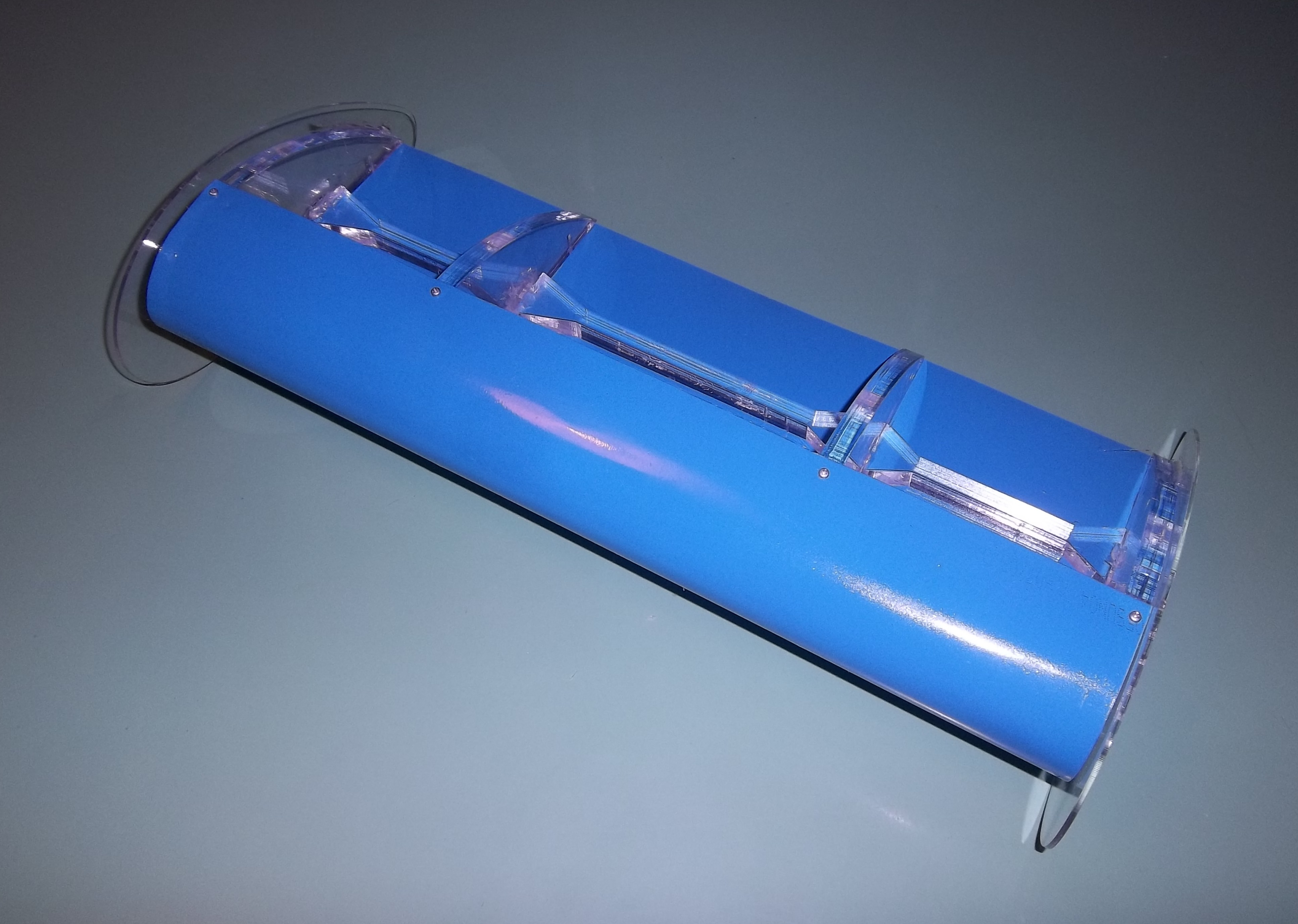
Altre modifiche in corso! Al fine di ottimizzare le prestazioni, in analogia con esperienze analoghe (vedasi windgenkits e la discussione su vawts.net) abbiamo pensato di integrare delle alette di estremità alle pale, per recuperare l’energia altrimenti persa in turbolenze, scie e vortici.

In letteratura aeronautica si parla di un 2-3%. Nel nostro caso anche questo aspetto è da verificare sperimentalmente.

Maggiori informazioni anche semplicemente su wikipedia.
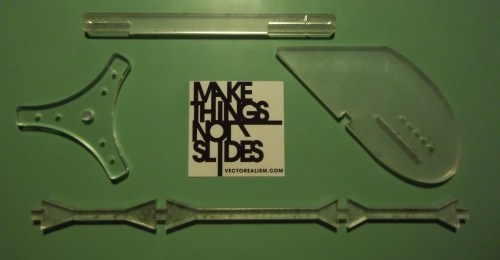
Peraltro, per non realizzare ex-novo le pale stesse e i profili, abbiamo pensato per ora di applicare semplicemente una piccola sagoma alle due basi, come si vede in figura, ancora una volta realizzati per il tramite di Vectorealism:


La versione definitiva prevede già fin d’ora l’integrazione delle alette nella sagoma stessa.

In order to improve turbine efficency we added two winglets to each blade, one on each side, just like windgenkits and vawts.net.

PASWAT says:

Winglets will create a small increase in the lift to drag ratio, and that will create a small increase in the overall energy conversion. Most of the energy conversion for conventional VAWT occurs on the upwind pass of the blades (about 80%). So if the winglet extends inward from the blade, it will have the most effect. A winglet extending outward from the blade must be considered from the perspective of added drag when upwind versus less tip vortex losses when downwind.

This improvement aims to reduce vortex, blade tip losses: it should be around 2-3%. Obviously we need to test this.
As you can see in the above images, we simply added a thin shape to the external airfoils, just to mantain the previous ones and reduce costs. The final version will include the winglets directly in the whole structure.

Nuovi dati – Datalogging goes on

Nuovi test, nuovi dati, ancora difficoltà.

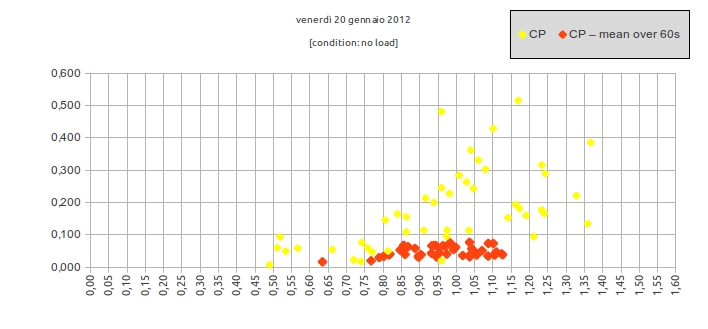
In una giornata particolarmente ventosa, venerdì 20 gennaio, abbiamo pensato di sfruttare l’occasione e misurare dati più realistici, avendo a che fare con vento “vero” a terra dell’ordine di 3-4 m/s, più che sufficienti per avviare la nostra piccola turbina. Purtroppo abbiamo avuto la dabbenaggine di non fissare il VentolINO al suolo, con conseguente rovinosa caduta della torretta e della turbina quando girava, più o meno, a 200 giri/min… caspita, un disastro! Il weekend è trascorso perciò nella riparazione del danno (oltre all’esternazione di colorite espressioni 😉 ) e nella nuova acquisizione di pochi dati, ancora con turbina priva di carico.

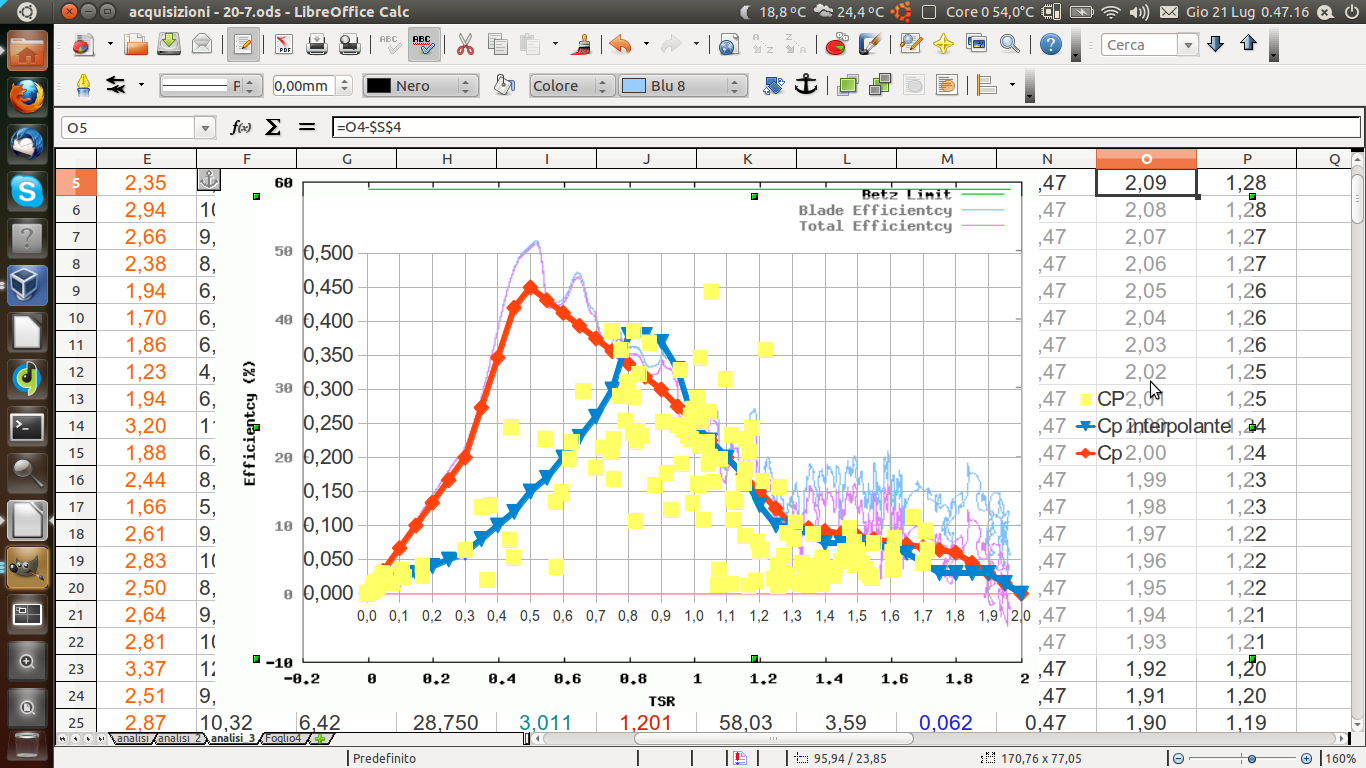
Ebbene, ancora non siamo ai risultati attesi: ci aspetteremmo valori di λ intorno a 1,4 – 1,5 , invece otteniamo poco più di 1,0. Eppure stiamo lavorando in similitudine geometrica e fluidodinamica con il VentolONE big!

prestazioni del VentolONE big
prestazioni (parziali) del VentolINO

Abbiamo avuto modo di notare, tra le altre cose, come il fissaggio delle pale sia particolarmente arduo, anzi, di fatto impossibile nella configurazione attuale: già a 100 giri/min queste subiscono una accelerazione centrifuga del centro di massa (posto, a circa 45mm dal perno di fissaggio) pari 2,6 g (circa 26 m/s2), che non è uno scherzo! Facile immaginare quello che poi accade nella realtà, cioè una “apertura” delle pale che, a lungo andare, tende a frenare la turbina stessa e a far scendere λ intorno a 0,75. Effettivamente non abbiamo pensato di misurare l’angolo di attacco dopo pochi giri, per vedere se lo spostamento è immediato, il che giustificherebbe il valore ridotto di λ. Rimedieremo!

Conclusioni parziali: accidenti, queste pale vanno fissate in qualche maniera! magari anche drastica (un ulteriore perno), pur di poter sviluppare test accurati e raggiungere l’obiettivo di definire i parametri ottimali per il nostro VentolINO.

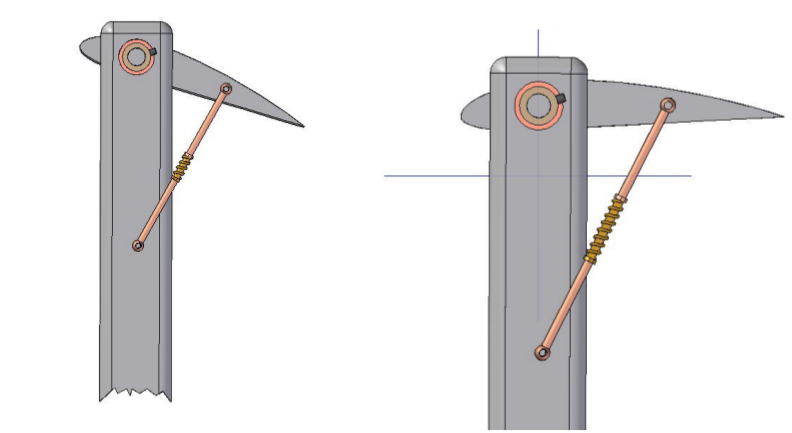
Inoltre: l’apertura delle pale suggerisce un possibile sistema per la frenatura dinamica della turbina: come da figura che segue, si potrebbe immaginare un sistema a molla, con molla non lineare, che intervenga solamente oltre un certo numero di giri: da pensare!

(image from an unknown turbine report)

As anyone can see in the above images we are getting on with tests. Unfortunately a wind gust dropped the VentolINO turbine down, so it took all the weekend to repair the damage: damn!

So we have some new data, but always lower than what we expected: since we works in geometric and fluid dynamics similarity, λ should reach a 1,4 – 1,5 value, like past summer. We noticed blades always pitch from 9 degrees outside, and than turbine comes to a smooth stop. So this could be the reason: it depends if it happens immediately, already at a low RPM. If so, a possible solution could be to add another one pin to prevent pitching.

This could also be a possible way to dynamically to slow down turbine RPM, may be with a non linear spring, just like the above image.

Datalogging is a hard work!

Stiamo svolgendo le simulazioni come preannunciato, e stiamo riscontrando qualche difficoltà: ottenere dei dati attendibili non è per nulla scontato, e nemmeno semplice!

VentolINO in partenza! – VentolINO ready to run!

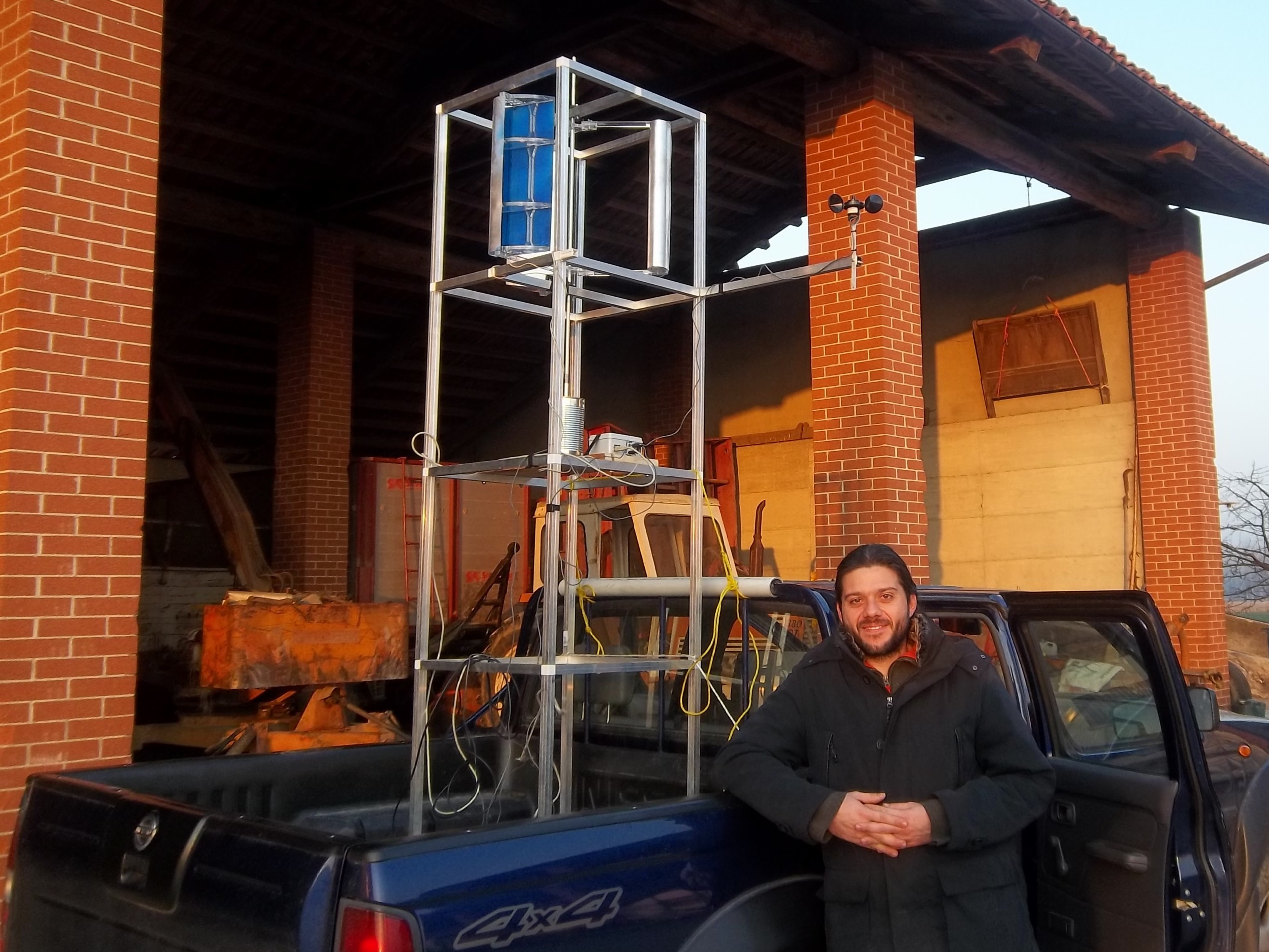
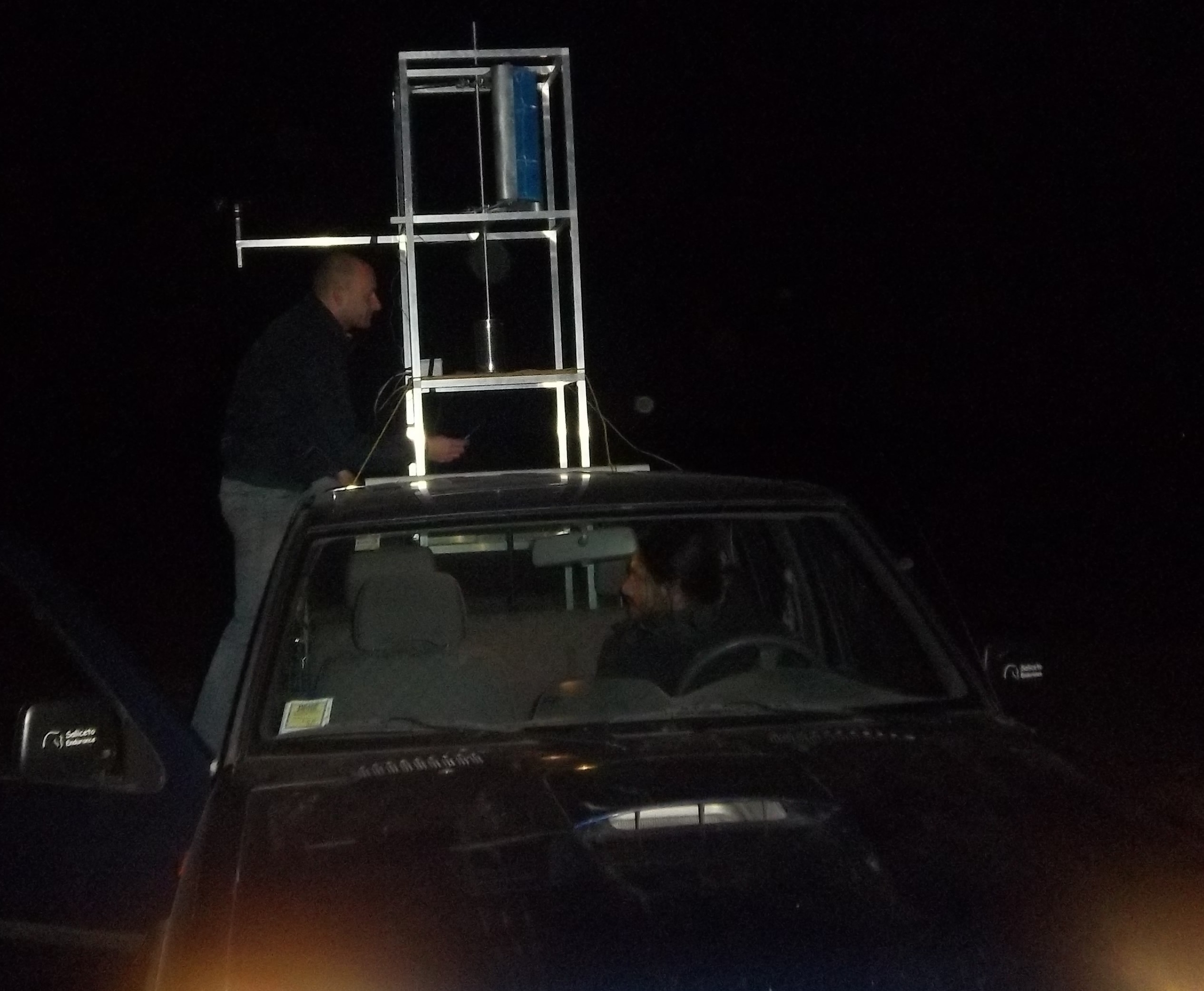
Sistemare il VentolINO su una pedana nel cassone del pickup non è stato particolarmente arduo, e nemmeno sistemare sensori e la postazione di acquisizione a bordo macchina.

Potenti mezzi di acquisizione… – Hot hardware!

Per cominciare ci siamo dedicati all’analisi del funzionamento in condizioni di “fuga”, cioè in assenza di carico. Qui cominciano i problemi.

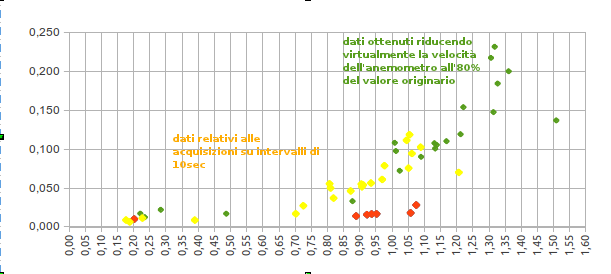
Se da un lato infatti abbiamo raggiunto velocità di rotazione decisamente sostenute per una struttura tutto sommato semplice e realizzata in materiale plastico, con un picco di 480 giri/min, per contro l’analisi del rapporto di velocità lambda ci ha riservato una doccia fredda:

Insomma, ci aspettavamo un valore di lambda pari a 1,5, come nel modello in scala 1:1. E invece…

Pensa e ripensa, riteniamo che il posizionamento relativo di anemometro e carrozzeria e di VentolINO e carrozzeria generi una discrepanza nei dati.

Settaggi: si noti la posizione dell’anemometro rispetto alla vettura –take a look to the anemometer position!


La velocità del vento vista dalla turbina è probabilmente inferiore a quella vista dall’anemometro, la quale è probabilmente superiore a quella effettiva dell’automobile (di questo ci siamo effettivamente accorti in fase di acquisizione, imputando il fatto alla scarsa precisione del tachimetro dell’autovettura…).

Abbiamo perciò provato a simulare numericamente come varierebbe la curva caratteristica nel caso si assuma come velocità effettiva l’80% di quella misurata, ottenendo i dati in verde sopra riportati, decisamente più in linea con le aspettative.

C’è tuttavia un’altra possibilità: l’influenza delle turbolenze, che per un modellino in scala con similitudine fluidodinamica non perfetta possono assumere valori tali da inficiare le prestazioni.

Ci auguriamo di tratti solo di turbolenze sull’anemometro, e che la turbina abbia le prestazioni attese: per verificarlo ci basterà posizionarlo meglio, vicino e in linea con la turbina, per ottenere conferma o smentita delle ipotesi.

We are getting on with tests on the turbine. Unfortunately first results are not as good as we expected, since turbine efficiency and speed factory are really lower than our bigger model.

As you can see in the upper graph, yellow dots are the ones coming from real data, speed factor around 1.00: bad! Green dots mean are virtual ones, coming from a numerical reduction to 80% of wind speed measured with the anemometer: these could be good!

The reason: as you can see in the above images, anemometer should be hardly disturbed by air turbulence coming from the car, and so the turbine, with higher speed for anemometer and lower one for turbine. If so, the turbine is under a lower energy current, so the bad results could be explained.

To verify this idea, we will mount the anemometer in front of the turbine, hoping to find a lower speed…and good performances for the turbine!

Anemometro e datalogger – datalogger and anemometer

In attesa di cominciare le sperimentazioni (domani) riportiamo di seguito lo schema elettrico dei sensori utilizzati per la misurazione della velocità del vento e della velocità di rotazione della turbina, sensori peraltro già utilizzati questa estate e poi a Jambiani. Abbiamo previsto la possibilità di sfruttare un sensore reed (recuperato da un tachimetro da bicicletta) in luogo di un optoswitch (recuperato da una stampante) per limitare il consumo di corrente e permetterci di collegare l’alimentazione della scheda Arduino a una semplice batteria, ricaricata da un pannellino solare (in fututo, perchè no, dalla turbina stessa).

vortex datalogger


Per completezza riportiamo anche il listato: in sostanza si utilizzano due interrupt e una scheda SD e si incrementano i relativi contatori associati. il codice è molto grezzo e migliorabile, i suggerimenti sono i benvenuti!
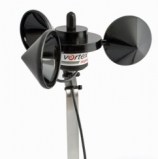
vortex anemometer

reed sensor: how it works

Waiting for testing the VentolINO turbine (tomorrow) this is the electric scheme with the sensors we use for measuring wind speed and turbine angular speed: we used these sensors this summer, too, and in Jambiani, and they works well. We just added a reed sensor instead of optoswitch to lower the power consuption and to be able to use a simple battery as power line for Arduino. Following the code, too: it is quite rough, but it works! Suggestions are welcomed!

// update: 11 gen 2012
#include <SD.h>
#include <Wire.h>
#include “RTClib.h”
// A simple data logger for the Arduino analog pins
// how many milliseconds between grabbing data and logging it. 1000 ms is once a second
#define LOG_INTERVAL  10000 // mills between entries (reduce to take more/faster data)
// how many milliseconds before writing the logged data permanently to disk
// set it to the LOG_INTERVAL to write each time (safest)
// set it to 10*LOG_INTERVAL to write all data every 10 datareads, you could lose up to
// the last 10 reads if power is lost but it uses less power and is much faster!
#define SYNC_INTERVAL 10000 // mills between calls to flush() – to write data to the card  ***
uint32_t syncTime = 0; // time of last sync()

#define ECHO_TO_SERIAL   1 // echo data to serial port
#define WAIT_TO_START    0 // Wait for serial input in setup()

// the digital pins that connect to the LEDs
//- #define redLEDpin 2
//- #define greenLEDpin 3

// The analog pins that connect to the sensors
//- #define photocellPin 0           // analog 0
//- #define tempPin 1                // analog 1
//- #define BANDGAPREF 14            // special indicator that we want to measure the bandgap
//int ledPin = 13;                // il LED emettitore del sensore di presenza della stampante (sensore a forcella)   ***
                                  //  è collegato al pin 13 (senza resistenza, perchè l’uscita 13 è già limitata in corrente)
//int statusPin = 12;             // il LED di stato è connesso al pin 12: cambia stato on/off a ogni passaggio delle linguette dell’albero della turbina
double rpmcount;  // rpmcount tiene conto dei passaggi delle linguette attraverso il sensore di posizione, per calcolare la velocità angolare della turbina
double rpmpass;  // rpmpass è la variabile in cui si parcheggia il valore di rpmcount, quando si calcola la velocità angolare rpm (intanto la turbina continua a girare…!)
double rpm;  // rpm è il valore della velocità angolare calcolata a partire da rpmcount –> rpmpass, in giri/min
double omega;  // rpm è il valore della velocità angolare, in rad/sec
//volatile int status;  ***
double count;  // count tiene conto dei passaggi sul sensore reed dentro l’anemometro Vortex, e serve a calcolare la velocità del vento
double pass;  // pass è la variabile in cui si parcheggia il valore di count, quando si calcola la velocità del vento (intanto l’anemometro continua a girare…!)
unsigned long timePrevious;  // istante dell’ultimo polling di misura
unsigned long duration;  // tempo trascorso dall’ultimo polling di misura
double interval=LOG_INTERVAL;  // intervallo di polling
float windSpeed = 0;

//- #define aref_voltage 3.3         // we tie 3.3V to ARef and measure it with a multimeter!
//- #define bandgap_voltage 1.1      // this is not super guaranteed but its not -too- off

RTC_DS1307 RTC; // define the Real Time Clock object

// for the data logging shield, we use digital pin 10 for the SD cs line
const int chipSelect = 10;

// the logging file
File logfile;

void error(char *str)
{
  Serial.print(“error: “);
  Serial.println(str);

  // red LED indicates error
//-  digitalWrite(redLEDpin, HIGH);

  while(1);
}

void setup(void)
{
  Serial.begin(9600);

#if WAIT_TO_START
  Serial.println(“Type any character to start”);
  while (!Serial.available());
#endif //WAIT_TO_START

  // initialize the SD card
  Serial.print(“Initializing SD card…”);
  // make sure that the default chip select pin is set to
  // output, even if you don’t use it:
  pinMode(10, OUTPUT);

  // see if the card is present and can be initialized:
  if (!SD.begin(chipSelect)) {
    error(“Card failed, or not present”);
  }
  Serial.println(“card initialized.”);

  // create a new file
  char filename[] = “LOGGER00.CSV”;
  for (uint8_t i = 0; i < 100; i++) {
    filename[6] = i/10 + ‘0’;
    filename[7] = i%10 + ‘0’;
    if (! SD.exists(filename)) {
      // only open a new file if it doesn’t exist
      logfile = SD.open(filename, FILE_WRITE);
      break;  // leave the loop!
    }
  }

  if (! logfile) {
    error(“couldnt create file”);
  }

  Serial.print(“Logging to: “);
  Serial.println(filename);

  // connect to RTC
  Wire.begin(); 
  if (!RTC.begin()) {
    logfile.println(“RTC failed”);
#if ECHO_TO_SERIAL
    Serial.println(“RTC failed”);
#endif  //ECHO_TO_SERIAL
  }
  logfile.println(“millis,datetime,delta_t,n_Vortex,numero_di_passaggi”);  
#if ECHO_TO_SERIAL
  Serial.println(“millis,datetime,delta_t,n_Vortex,numero_di_passaggi”);
#endif //ECHO_TO_SERIAL

  // If you want to set the aref to something other than 5v
//  analogReference(EXTERNAL);

 duration = 0;
  count = 0;
  timePrevious = 0;
  rpmcount = 0;
  rpm = 0;

  attachInterrupt(1, arduino_anemometer, FALLING);  // l’interrupt dell’anemometro è collegato al pin 1, attraverso la function arduino_anemometer
  attachInterrupt(0, rpm_fun, FALLING);  // l’interrupt del sensore a forcella è collegato al pin 0, attraverso la function rpm_fun    ***

  //pinMode(ledPin, OUTPUT);  // pone in uscita il pin dell’emettitore del sensore a forcella  ***
  //digitalWrite(ledPin, HIGH);  // accende l’emettitore del sensore a forcella  ***

  //pinMode(statusPin, OUTPUT);    // pone in uscita il pin del LED di stato  *** 
  //status = LOW;  ***
  //digitalWrite(statusPin, status);  ***

  // use debugging LEDs
  //- pinMode(redLEDpin, OUTPUT);
  //- pinMode(greenLEDpin, OUTPUT);
}

void loop(void)
{
  DateTime now;
  duration = (millis() – timePrevious);
  if (duration >= interval) {
//
//  // delay for the amount of time we want between readings
//  delay((LOG_INTERVAL -1) – (millis() % LOG_INTERVAL));

  //- digitalWrite(greenLEDpin, HIGH);

  // log milliseconds since starting
  uint32_t m = millis();
  logfile.print(m);           // milliseconds since start
  logfile.print(“, “);   
#if ECHO_TO_SERIAL
  Serial.print(m);         // milliseconds since start
  Serial.print(“,”); 
#endif

  // fetch the time
  now = RTC.now();
  // log time
  logfile.print(‘”‘);
  logfile.print(now.year(), DEC);
  logfile.print(“/”);
  logfile.print(now.month(), DEC);
  logfile.print(“/”);
  logfile.print(now.day(), DEC);
  logfile.print(” “);
  logfile.print(now.hour(), DEC);
  logfile.print(“:”);
  logfile.print(now.minute(), DEC);
  logfile.print(“:”);
  logfile.print(now.second(), DEC);
  logfile.print(‘”‘);
#if ECHO_TO_SERIAL
  Serial.print(‘”‘);
  Serial.print(now.year(), DEC);
  Serial.print(“/”);
  Serial.print(now.month(), DEC);
  Serial.print(“/”);
  Serial.print(now.day(), DEC);
  Serial.print(‘ ‘);
  Serial.print(now.hour(), DEC);
  Serial.print(“:”);
  Serial.print(now.minute(), DEC);
  Serial.print(“:”);
  Serial.print(now.second(), DEC);
  Serial.print(‘”‘);
#endif //ECHO_TO_SERIAL

    pass=count;  // salva il valore presente di count in pass
    rpmpass=rpmcount;  // salva il valore presente di rpmcount in rpmpass
    duration = (millis() – timePrevious);  // calcola il tempo trascorso
    timePrevious = millis();  // aggiorna timePrevious all’istante presente
    windSpeed = (pass/(duration/1000)*2.5);  // calcola la velocità del vento a partire dal numero di passaggi, dal tempo trascorso, con il coefficiente 2,5 (vedi Vortex + Caleb), in mph
    rpm = (rpmpass/4)/(duration/1000)*60;  // calcola la velocità angolare della turbina, tenendo conto di 4 linguette sull’albero, in giri/min
    omega=2*3.1416*rpmpass/duration*1000;  // converte la velocità angolare in rad/sec
#if ECHO_TO_SERIAL
    Serial.print(“,    “);
    Serial.print(duration);
    Serial.print(“,    “);
    Serial.print(pass);
    Serial.print(“,    “);
    //Serial.println(rpmpass);
    Serial.print(rpmpass);
    Serial.print(“,  –  “);
    Serial.print(windSpeed);
    Serial.print(“,    “);
    Serial.println(rpm);
    #endif //ECHO_TO_SERIAL
// azzera i contatori di misura
    count = 0;
    rpmcount = 0; 

    logfile.print(“, “);
    logfile.print(duration);
    logfile.print(“, “);
    logfile.print(pass);
    logfile.print(“, “);  
    logfile.println(rpmpass);

  // Now we write data to disk! Don’t sync too often – requires 2048 bytes of I/O to SD card
  // which uses a bunch of power and takes time
  if ((millis() – syncTime) < SYNC_INTERVAL) return;
  syncTime = millis();

  // blink LED to show we are syncing data to the card & updating FAT!
  //- digitalWrite(redLEDpin, HIGH);
  logfile.flush();
  //- digitalWrite(redLEDpin, LOW);

  }
  }
void arduino_anemometer()
{
  count++;
//if (status == LOW) {  // a ogni passaggio inverte lo stato del LED di stato, on/off
//    status = HIGH;
//  }
//  else {
//    status = LOW;
//  }
//digitalWrite(statusPin, status);
}

void rpm_fun()
{
  rpmcount++;  // incrementa il numero di passaggi delle linguette attraverso il sensore a forcella
//  if (status == LOW) {  // a ogni passaggio inverte lo stato del LED di stato, on/off
//    status = HIGH;
//  }
//  else {
//    status = LOW;
//  }
//  digitalWrite(statusPin, status);
}

VentolINO, primi giri! – VEntolINO, first run!

Abbiamo lavorato sodo, in questi giorni, per realizzare il primo VentolINO!
Modello in scala 1:5 del VentolONE di Jambiani, ci consentirà di sperimentare tutto lo sperimentabile, con poca fatica: profili alari diversi, angoli di attacco delle pale, posizione del punto di attacco, capacità di auto-avvio. Potremo inoltre portarlo agevolmente in giro per mostre e fiere.

Inoltre contiamo di collegarci a breve un piccolo generatore di corrente, sì da renderlo un oggetto che ha anche una utilità energetica oltre che scientifica. A quel punto sarà pronto per essere anche messo in vendita, per sperimentatori e appassionati!

Un grazie sentitissimo a Vectorealism per la collaborazione nella realizzazione delle parti in acrilico che costituiscono la turbina! La possibilità di avere pezzi su misura, senza costi fissi nè di magazzino, rendono la loro attività una manna e una grande opportunità per tutti, sperimentatori e hobbyisti!


We worked hard these days to build our first VentolINO (italian word for “small VentolONE”). It is a 1:5 scale model of Jambiani VentolONE, and we will use it to test anything we want, with a good ease: different blade airfoils, angle of attack, point of attack for the blades, self-start capability.

We aim to link a small generator, so that VentolINO could be energetically useful (ok, not so much power, this is clear!). And then we will sell it, hoping hobbyists and testers will like it so much!

Ultime notizie, nuove notizie – Good news for 2012

Come promesso nel post precedente ecco a voi l’ultima mail arrivata da mr. Suha.

Dear Mario,
 Sorry for the very very delaying on replying your mail. I would like you to know that I am still very busy with the wind mill since the advice from SHIPO needs much changes… The solution was to remove the bicycle wheel to replace the keeping of a motor bike sproket, the chain, the motorbike wheel connected with a small sproket. these changes gain the speed of the wheel more than three times the speed of the shaft. This shows the great hope for the pump to work very well. Sometimes the problem is wind. We had already pumped few water in two days.
  I will send you the picture when the system is completely fixed. Be patient we will reach a good solution
                    SUHA
mr. suha

Ottimo!
assolutamente in linea con le nostre attese! Infatti:
  • mr. Suha dimostra di essere in grado di gestire, modificare, adattare e migliorare l’impianto: ciò significa che c’è stato quel trasferimento di know-how, che era poi lo scopo primario di tutto il progetto (e in parte è anche merito delle indubbie doti di mr. Suha!) 
  • è stato semplicemente aggiunto uno stadio di moltiplicazione, che era esattamente quel che avevamo in testa di fare, inserendo un cambio di bicicletta nella struttura, ma che il tempo, semplicemente il tempo risicato ci ha impedito di realizzare; ne avevamo parlato a lungo con mr. Suha, evidentemente qualcosa gli è frullato in testa! 
  • con la nuova soluzione l’albero di uscita gira più veloce: ciò va a discapito della capacità di auto-avvio del sistema, e a favore della quantità d’acqua estraibile. A suo tempo, temendo condizioni di vento inferiori alle attese avevamo cautelativamente limitato la velocità dell’albero di uscita, in modo da garantire comunque l’auto-avvio anche a 2,5 m/s (9 km/h), cioè con una minima brezza, ritenendo fondamentale ai fini della diffusione del sistema che producesse, magari poco, ma che fosse comunque in movimento. In questa configurazione il sistema è in grado di pompare circa 6000 litri al giorno; quindi con le modifiche apportate può pomparne potenzialmente di più, in funzione del vento effettivo e della sua distribuzione oraria e annuale. Sapevamo quale era il rovescio della medaglia, ora mr. Suha ha apportato modifiche coerenti;il sistema pompa acqua! sarà banale, ne eravamo assolutamente certi, ma vederlo scritto fa un’altro effetto! e ci rende assolutamente orgogliosi del percorso compiuto! in fondo, a portar migliorie ad un sistema comunque già funzionante, è la parte più semplice! il difficle…è rompere il ghiaccio!
E ora? Ora ci dedichiamo a chiudere questo anno 2011 così entusiasmante e denso di soddisfazioni e di cambiamenti, e ci diamo appuntamento…a lunedì, quando ci verranno consegnati i componenti del 1° VentolINO!
Poi…via con le prove e le simulazioni!
stay tuned!

As promised, following the latest e-mail from mr. Suha:

Dear Mario,
 Sorry for the very very delaying on replying your mail. I would like you to know that I am still very busy with the wind mill since the advice from SHIPO needs much changes… The solution was to remove the bicycle wheel to replace the keeping of a motor bike sproket, the chain, the motorbike wheel connected with a small sproket. these changes gain the speed of the wheel more than three times the speed of the shaft. This shows the great hope for the pump to work very well. Sometimes the problem is wind. We had already pumped few water in two days.
  I will send you the picture when the system is completely fixed. Be patient we will reach a good solution
                    SUHA
Really nice!
exactly what we expected! In fact
  • mr. Suha demonstrates to be able, now, to use, modify and improve all the system: this was the key feature of our project (and, ok, mr. Suha is really clever, too!) 
  • he simply changed the transmission ratio, as we told him before we left in august: we told him the best would have been to have a bicycle transmission system, to adjust the pumping with the wind 
  • with the solution Suha adopted the shaft turns 3 times faster: so it will be more difficult to self-start, but it will pump more water; we knew this could be a problem since we wouldn’t be there month after month, so we decided it was better to have a self-starting machine with only 2,5 m/s wind, than using a machine usually standing waiting for more wind 
  • the system works, and pumps water! this is very good, and even if we where absolutely sure it would happen, to read about it is a great satisfaction! it is simple to improve a machine, it is very difficult to start a new one!
And now…let’s party! to close this engaging 2011! And see we on monday, when we should receive the components to build our first VentolINO. Then…test and simulations, for all the next week!

stay tuned!


Citati anche in Valsugana!

Grazie all’amico Mattia Frizzera si espande il verbo del VentolONE anche in Trentino! Sulla homepage de Lavalsugana.it compare un bell’articolo in cui vengono raccontati i recenti sviluppi e le prospettive: se qualcuno di quei posti desidera aggregarsi all’avventura…è il benvenuto!

Peraltro nemmeno la Valsugana è una località particolarmente adatta all’eolico, a parte forse qualche passo e qualche altopiano: peccato!

vento in valsugana

Nell’ambito del discorso relativo ai prodotti commerciali americani segnaliamo anche questo, proveniente dal Missouri, e in vendita per circa 2000$, per una potenza nominale dichiarata di 500W, quindi 4$ / Watt: è inutile, gli americani in queste cose hanno una marcia in più!

Sul loro sito non compaiono le specifiche, se non le dimensioni, pari a 4feet X 3feet = 1,2m X 0,95m.
Ora, se la matematica non ci inganna, per produrre 500W con un rendimento plausibile di 0,35 occorre un vento superiore a 13 m/s…ci sembra un po’ tantino… 😉 !

Anche in Slovacchia – In Slovakia, too

Anche in Slovacchia si interessano di turbine micro-eoliche ad asse verticale! E con una dovizia di particolari e di lavoro ammirevole!

Ci interessa in particolare una variante della turbina Lenz II realizzata per piegatura diretta della lamiera della pala, che in questo modo diventa auto-sostentante. Ora si tratta di trovare una matrice per una piegatrice che ci consenta di realizzare un profilo NACA…oppure, se non c’è (come probabile), ce la costruiremo!

————————

Also in Slovakia many people are interested in VAWT turbines! And the results are very very good!
We like, in particular, a different way they used to make the Lenz blade airfoil, bending the sheet with a specific machinery. It would be very nice to find such a machinery able to bend a sheet in a NACA way…but this is probably impossibile! So…we will build one by ourselves!


Progetti futuri, II parte- Future projects, 2nd part

continua dal precedente – following previous post

Direzione n°3: il kit in scatola di montaggio

stiamo valutando la realizzazione di un VentolONE in kit di montaggio che consenta di ottenere potenze significative, quindi più grande dimensionamente rispetto al VentolINO. Per “potenze significative” intendiamo 0,5÷2 kW@10m/s, ricordando ai lettori che 10m/s è un vento assolutamente sostenuto e solitamente non presente nell’ambito del micro-eolico, ma che siamo costretti a utilizzare per fornire un semplice termine di paragone con le turbine micro-eoliche commerciali, che a tale regime di vento fanno normalmente riferimento. Questo kit, per certi versi simile a prodotti americani già citati, avrà un certo grado di modularità il che consentirà a ciascuno di realizzare la propria turbina, nelle dimensioni e quindi nella taglia di potenza desiderata, come in un grande Meccano o LEGO. E ovviamente, sarà open-source!
Per mettere in piedi un simile progetto servono di solito almeno un po’ di soldi…e stiamo pensando di passare attraverso il crowdfunding, per scavalcare e renderci indipendenti da quelle logiche e regole (scritte e non scritte) dell’economia e finanza tipica dei venture-capital, rispetto ai quali prima viene il profitto, poi…viene il profitto. Non ci interessa qui la critica a quel modello di business: ci interessa realizzare i nostri progetti in piena libertà e in aderenza al principio per cui, quando ho la pancia piena, poi posso dedicarmi a un sacco di cose belle, piuttosto che a riempirla ancora di più…!
Crowdfunding quindi: in Italia sta nascendo Eppela, sul modello del successo dell’americano KickStarter. Nel nostro piccolo ci pare di poter dire che anche Adotta un kW è stata una esperienza di crowdfunding (senza sapere che era “crowdfunding”…;-) ). Trattandosi di una terra per noi inesplorata, ci vorrà un po’ di tempo, e, perchè no, anche qualche collaborazione: se qualcuno dei lettori non sa un tubo di energia eolica e profili alari e cuscinetti orientabili, ma conosce i meandri dell’economia o lavora in campi affini, bene, si faccia avanti, la mail è nella sezioni Chi siamo!
Questo kit, in vendita sul web, potrà consentire di finanziare altre attività nei PVS, altri progetti, altre soluzioni, in un circolo speriamo virtuoso e auto-sostenibile.
Tempistiche per il kit micro-eolico: a primavera 2012 inoltrata

Direzione n°4: il 1° workshop

da varie persone, via web e direttamente di persona, vengono richieste di fornire indicazioni circa una realizzazione mini-eolica. Ora, mettendo insieme il tutto…ci vorrebbe un bel workshop!
In questo workshop bisognerebbe parlare di autocostruzione ma anche di teoria ma anche di normative ma anche realizzare una turbina. Magari utilizzando il kit…
E quindi pensiamo di mettere insieme un primo workshop ad aprile-maggio (nella bella stagione, per intenderci), strutturato presumibilmente su 2 giorni, durante i quali analizzare insieme:

  1. teoria dell’eolico e del micro-eolico
  2. normativa italiana al riguardo
  3. calcolo della potenzialità eolica di un sito
  4. calcoli di base per una installazione: base, struttura, turbina, generatore/pompa
  5. autocostruzione di una turbina, magari a partire dal kit
  6. autocostruzione di un generatore PMG

Messo così il programma è forse un po’ ambiziosetto, se pensato su due giorni: vedremo!

Bene, ora il programma per i mesi a venire è completo: non vi sembra un programma intenso, interessante, “carino” (1)?

(1) Anna Maria, scusaci, non resistevamo dal citarti! 😉

—————————–

third direction: a kit for everyone

we are designing a new version of VentolONE, a kit-way bigger than VentolINO, able to produce high power, i.e. 0,5÷2 kW@10m/s (we know 10 m/s is a high wind speed for little wind farm, but this is the reference wind speed for commercial products, usually, so we also must refer to this one).
This kit will be similar to some american products, it will be open-source and modular, so that you can build your own wind turbine, the way you like, the dimensions you prefer, just like a big Meccano or LEGO. To realize such a big project we need money, maybe not so much…so we are thinking of crowdfunding, to be indipendent from some logics we don’t like in economy and finance, to be free to make somenthing whose aim is to be good, firstly, not moneymaking. We think that we can do a lot of interesting and usefull things when our belly is full, better than filling it more and more and more…
So Crowdfunding : in Italia Eppela is growing, just like the american KickStarter. Since we don’t know so much about these themes, it will take time to understand and create our platform: any collaboration is welcome, anyone interested in joining us can send an e-mail!
This kit will be available during 2012, hopefully in May: it will allow us to fund other activities, expecially new projects in Developing Countries just like ZanziVENTO, in a virtuous feedback.

fourth direction: the workshop

many people call us for informations about wind farms, wind energy and so on.
Well, it would be very nice to have a workshop! We think it would concern on 

  1. wind energy theory
  2. laws about windmills
  3. energy extractable for a windy site
  4. base, structure, turbine in a windmill installation
  5. DIY turbine
  6. DIY PMG

The workshop, probably in May, could use the kit as a model turbine and a model DIY. It should last 2 days, at least. More informations soon!

Ok, now the program for 2011-2012 is clear and full: don’t you think it is a very nice program? 😉

Progetti futuri – Future projects (update)

[ Articolo aggiornato – updated post ]

Abbiamo tergiversato qualche giorno nel pubblicare quanto segue, oggetto di riflessioni già al tempo delle soleggiate passeggiate zanzibarine d’agosto!


Abbiamo tergiversato per poter condividere prima le idee stesse con il direttivo di SolareCollettivo, dal quale (ovviamente 😉 ) abbiamo ottenuto pieno appoggio!
Insomma, che vogliamo fare “da grandi“?
Pensiamo di muoverci lungo 4 direzioni, che nascono e traggono linfa dal successo zanzibarino, dai contatti accumulati in questi anni, dall’entusiasmo per l’open hardware, dal desiderio di mettere avanti al profitto la bontà, la sostenibilità e l’efficacia di un “prodotto”.

Direzione n°1: il bis!

ci stiamo organizzando per…il bis del VentolONE! Per ora siamo alla fase dei contatti, più o meno come un anno fa, ma con un successo alle spalle che infonde fiducia. I siti papabili sono in Tanzania, in Kenya, ancora a Zanzibar, ma per scaramanzia…non diciamo di più!

Direzione n°2: il VentolINO

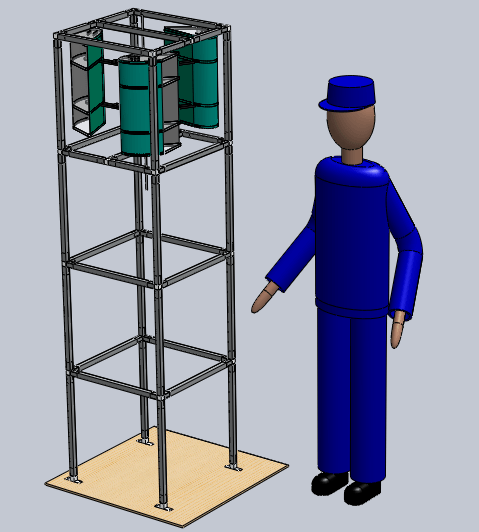
per poter aumentare il rendimento e migliorare l’insieme abbiamo però bisogno di fare prove. Ora, non potendo fisicamente risiedere 6 mesi a Zanzibar (magari!), non disponendo poi di una galleria del vento e non essendo la pianura di Cuneo il luogo anemologicamente più interessante dell’orbe terracqueo abbiamo pensato di studiare un modello in scala del VentolONE che, nel solco della similitudine fluidodinamica, ci consenta di svolgere prove e prove e prove. Abbiamo perciò progettato un VentolINO di dimensioni 0,5m X 0,5m (diametro X altezza delle pale) che realizzeremo appoggiandoci a questa nuova realtà assolutamente interessante: grosso modo, il VentolONE di Jambiani in scala 1:4 1:5.

VentolINO - simulazione grafica

Ovviamente il VentolINO avrà anche finalità espositive per l’associazione, unendo quindi l’utile al dilettevole.
E ovviamente il VentolINO sarà open hardware, ora che ne sappiamo qualcosa di più!

Quindi…ci siamo detti: perchè non mettere in vendita un kit di montaggio del VentolINO stesso?
Il ricavato diventerebbe fonte di finanziamento per i nuovi progetti.

Inoltre, dal momento che i potenziali acquirenti dovrebbero essere quella schiera inaspettatamente folta di hobbyisti et similia che si scambiano informazioni sul web su forum dedicati, italiani e internazionali, ci siamo resi conto che potrebbe diventare una ottima occasione per scambiare anche i dati acquisiti, avviando nel nostro piccolo un esempio semplice di open research (nostro vecchio pallino!)
Insomma:

  • se vuoi compri il VentolINO
  • oppure te lo costruisci per conto tuo;
  • con il VentolINO puoi sbizzarrirti a fare prove e modifiche, essendo studiato per questo!
  • se vuoi ci condividiamo i dati e le misurazioni.

Come diceva quel tale (George Bernard Shaw), “Se tu hai una mela, e io ho una mela, e ce le scambiamo, allora tu ed io abbiamo sempre una mela per uno. Ma se tu hai un’idea, ed io ho un’idea, e ce le scambiamo, allora abbiamo entrambi due idee”

A quando la vendita? diciamo da gennaio-febbraio in avanti!

(continua…)

———————-

We waited some times to write this post, just to be confirmed by SolareCollettivo meeting last evening. So, everything was approved, and we can start new projects!

We will move along 4 directions, following our know-how, our contacts and the zanzibarian success, and obviously, our enthusiasm for open hardware and our desire of making a good product!

First direction: another one VEntolONE!

We are thinking about a second VentolONE in a Development Country! Nothing sure by now, we are thinking about Tanzania, Kenya and Zanzibar again, working on our contacts.

Second direction: a small windturbine

We would like to raise efficiency and improve the overall turbine: so we need more tests. Since we can’t stay 6 months in Zanzibar (it would be wonderful!), we haven’t a wind tunnel and Cuneo area where we live is not a windy area, we thought about a scaled model of VentolONE, simple to realise and easy to use for tests. We studied a 0,5m by 0,5m model that we are going to build supported by a new interesting reality (which follows Ponoko, USA).

We call this prototype “VentolINO“, which means “small VentolONE”.

This VentolINO could be used for exhibitions, too. And it will be open hardware.

So…we thought: why don’t we sell this VentolINO, in a simple kit? What we could earn would be useful for future projects!

Furthermore, since potential buyers should be those people skilled in DIY about VAWTs, italians and internationals, we could try a way to exchange data frome tests, starting a little but real open research.

Shortly:

  • you can buy VentolINO, for tests or for fun
  • you can copy VentolINO and build by yourself
  • you can start your own tests immediately, since VentolINO is made for this
  • if you like, you can share your results with the community

As George Bernard Shaw said, “If you have an apple and I have an apple and we exchange these apples then you and I will still each have one apple. But if you have an idea and I have an idea and we exchange these ideas, then each of us will have two ideas

When do we start to sell? hopefully from january-february!

(to be continued…)